
Cold Brew at Home: A Simple Concentrate Method You Can Make Tonight
Cold Brew Isn't Iced Coffee. Here's the Difference.
Pouring hot coffee over ice gets you a cold cup fast, but it's sharp and thin. Real cold brew is steeped for hours with cold water, and it comes out smooth, sweet, and low in acidity. No special equipment required, just a jar, a filter, and some patience.
Why the method matters more than the gear
Cold water pulls flavor out of coffee much more slowly than hot water does, so cold brew relies on time instead of heat. That slow extraction is why it tastes rounder and less bitter than hot coffee cooled down. It also means you're making a concentrate: something strong enough to cut with water, milk, or ice without going watery. Once you understand that one idea, the rest of the method is just measuring and waiting.
You don't need a cold brew maker
A mason jar, a French press, or even a pitcher with a fine mesh strainer will all work. The tool matters less than the ratio and the steep time.
The Basic Concentrate Method
- Coarse-grind your coffee, roughly the texture of raw sugar or breadcrumbs
- Combine 1 cup of grounds with 4 cups of cold or room-temperature water
- Stir gently to make sure all the grounds are saturated
- Cover and let it sit at room temperature or in the fridge for 12 to 18 hours
- Strain through a fine mesh strainer lined with a coffee filter or paper towel
- Store the concentrate in the fridge for up to two weeks
Dialing in your ratio
1:4 Concentrate
Strong and syrupy. This is the base ratio above, meant to be diluted before drinking. Good for stretching a batch across a week.
1:8 Ready-to-Drink
Steep at this ratio if you want to pour it straight over ice with no dilution. Slightly less shelf life since it's already at drinking strength.
12 to 18 Hours
Under 12 hours and it tastes thin. Past 20 hours it can turn woody or bitter. Set a timer instead of guessing.
Serving what you made
Classic Cold Brew Over Ice
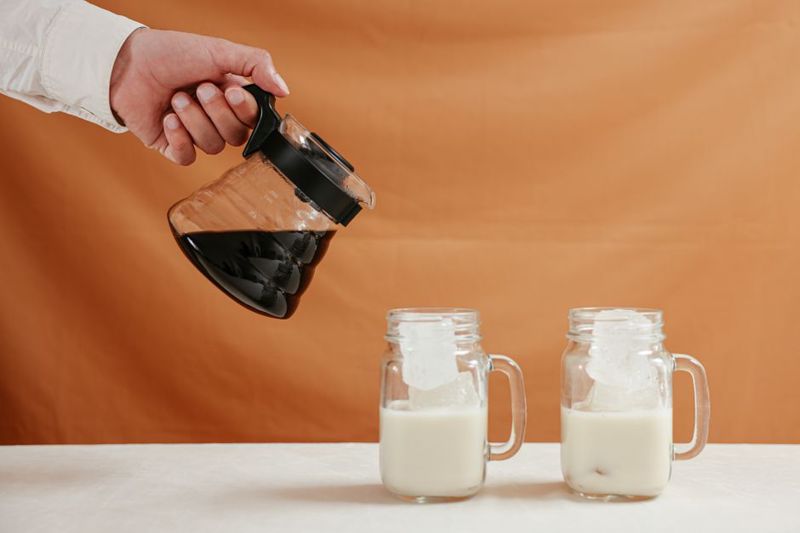
Mix 1 part concentrate to 1 part cold water or milk over a full glass of ice. Taste and adjust, since fridge time can strengthen the concentrate over the following days.
Cold Brew as an Espresso Substitute
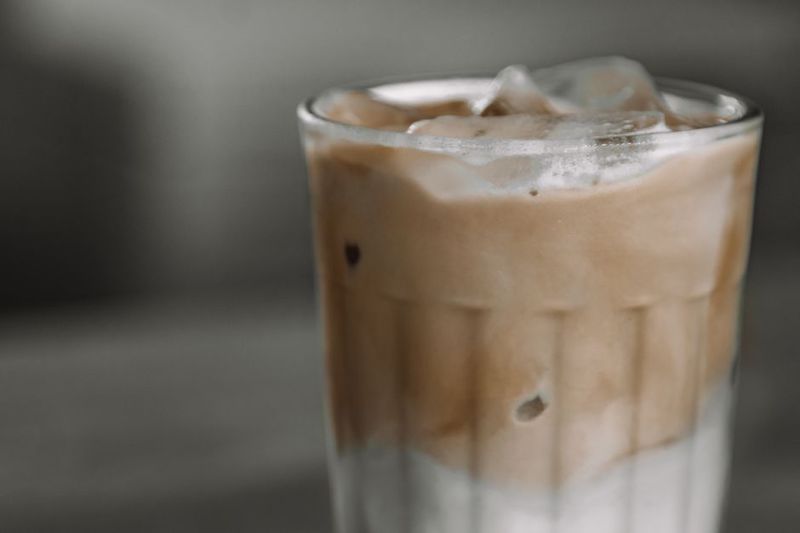
Skip the dilution and use a splash of straight concentrate in place of espresso for an at-home iced latte. It won't taste identical to espresso, but it holds up well under milk.
Common mistakes
Grinding too fine
A fine grind slips through most filters and leaves sediment, and it can also over-extract during the long steep. Stick to a coarse, gritty grind.
Steeping in a warm kitchen
Room temperature is fine, but a hot kitchen speeds up extraction and can make the batch bitter early. The fridge is a safer bet in summer.
Using stale or pre-ground coffee
Cold extraction pulls out fewer aromatics than hot brewing to begin with, so starting with fresh, recently roasted beans matters even more here.
Which beans work best
Cold brew flattens some of the brighter, more delicate notes you'd taste in a hot pour-over, so it tends to favor beans with chocolate, nut, or caramel character over ones with light, floral profiles. That said, there's no wrong answer here. If you love a particular bean, a cold steep is a good way to try it a second way and see what changes.
Key Takeaway
Cold brew is a ratio and a timer, not a piece of equipment. Coarse grind, 1 part coffee to 4 parts cold water, 12 to 18 hours, then strain and dilute to taste.
Want beans suited for cold brewing?
We roast in small batches and ship within days, so you're steeping fresh coffee, not something that's been sitting on a shelf. Reach out and we'll help you pick a roast for your next batch.
Get in Touch