
Better Coffee Tomorrow Morning: 6 Fixes That Use Only the Gear You Already Own
If your coffee tastes a little off some mornings and great on others, the problem almost never lives in the equipment drawer. It lives in six habits you can change tonight with the grinder and kettle already on your counter.
We roast in small batches and ship within days of roasting, so the beans in your bag are usually still resting or just past their peak. That freshness is a gift, but it also means a cup that was dialed in perfectly two weeks ago can taste sharp or flat today. Here is what to check first, in the order we'd check it ourselves.
Start Here: Your Ratio, Not Your Gear
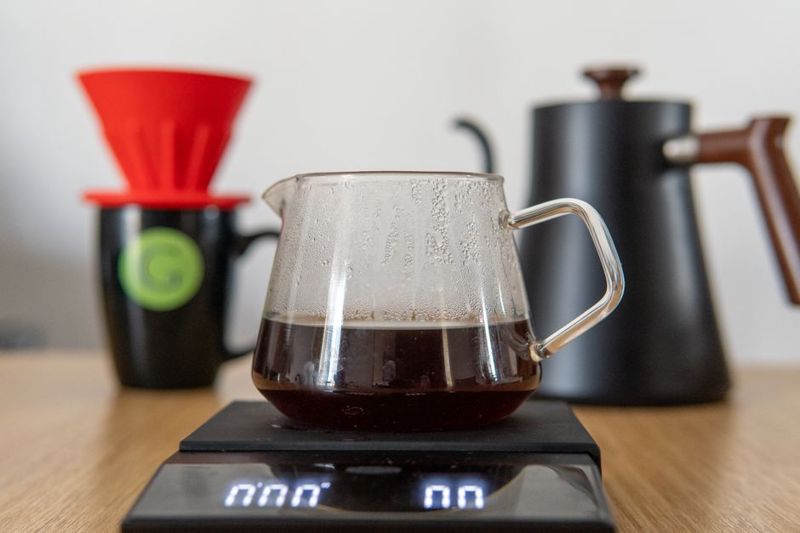
Most "bad batch" complaints trace back to eyeballing scoops instead of weighing. A kitchen scale you already use for baking will do more for your coffee than any new brewer. Aim for roughly 1 gram of coffee to 16 grams of water as a starting point, then adjust by taste from there.
Weigh It Once, Then Trust Your Ears
You don't need to weigh coffee forever. Do it for a week, find the ratio that tastes right on your palate, and note how full your usual scoop looks at that weight. After that, your eye is calibrated and you can go back to scooping with confidence.
This single habit fixes the most common complaint we hear: "it tasted amazing last week and watery this week." That's rarely the beans. It's usually a slightly fuller or lighter scoop than the one that worked before.
Three Adjustments That Cost Nothing
Small changes to timing, temperature, and grind, all using gear you already have.
Water Temperature
Boiling water scorches coffee and pulls out bitterness. Let your kettle sit off the heat for 30-45 seconds after it boils. You're aiming for roughly 195-205°F, which is exactly where water lands right after a rolling boil settles down.
The Bloom
Pour just enough hot water to wet the grounds, wait 30 seconds, then continue. This releases trapped CO2 from fresh-roasted beans so your brewer doesn't choke or drip unevenly. Skip it and you'll get a sour, underdeveloped cup even with great beans.
Grind Size
Too fine tastes bitter and takes forever to drain. Too coarse tastes sour and weak. Adjust your existing grinder one notch at a time and taste again before making another change. One variable at a time is the whole trick.
Fast Diagnosis: What Your Cup Is Telling You
- Bitter or harsh: grind coarser, brew shorter, or let your water cool a bit more before pouring
- Sour or thin: grind finer, extend your brew time, or extend the bloom
- Weak despite a strong ratio: check your grind isn't too coarse for your brewer, and make sure you're actually saturating all the grounds
- Inconsistent day to day: weigh your coffee and water for a few days to isolate whether it's really the beans
- Flat or dull: your beans may be past their best window, or your water needs a bloom step
Storage Matters More Than People Think
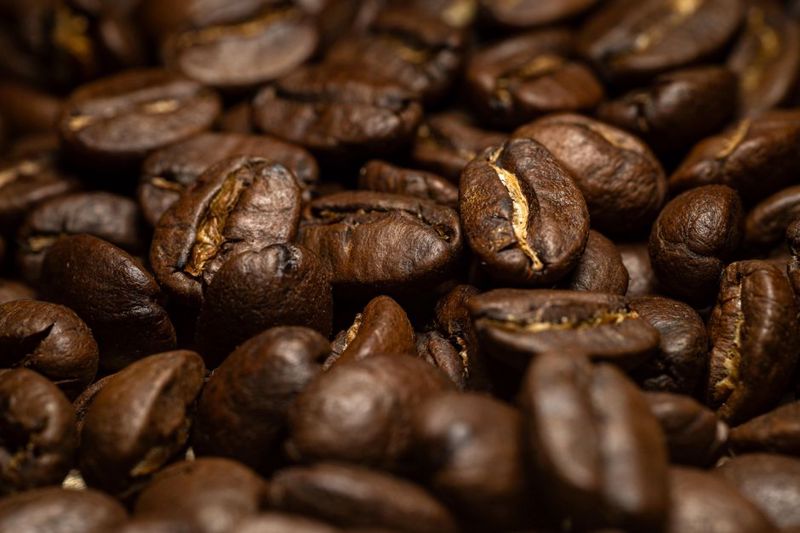
An airtight container away from light and heat beats a bag clipped shut on the counter. Buy only what you'll drink in two to three weeks, and resist the fridge or freezer for your everyday bag. Temperature swings introduce moisture, and moisture is the enemy of flavor.
Because we roast in small batches and ship fast, most of our customers are brewing coffee that's still actively changing day to day as it rests. That's normal. A cup that tastes slightly different on day 4 versus day 12 after roasting isn't a flaw, it's freshness in motion.
Key Takeaway
Change one variable at a time: ratio, then grind, then bloom, then temperature. Chasing all four at once is how people end up thinking they need new equipment when really they just changed too many things in one pot.
Want Beans Dialed In For Your Setup?
Tell us what you're brewing with and we'll help you pick a roast and grind that works with the equipment you already own, plus a subscription so fresh beans show up before your current bag runs low.
Get In Touch