
Chapter 2: Dialing In Your Ratio and Grind With the Gear You Already Own
Chapter 2: Dialing In Your Ratio and Grind
In Chapter 1 we covered the four things that actually change your cup: grind size, ratio, water, and freshness. Now we're going to put two of those, ratio and grind, to work with the grinder and kettle already sitting on your counter.
Quick recap
If you skipped Chapter 1: the biggest jumps in cup quality don't come from new equipment. They come from getting the ratio of coffee to water right, matching your grind to your brew method, using water that isn't scalding or lukewarm, and brewing beans that are actually fresh. This chapter is about turning the first two into a repeatable habit.
Start With Ratio, Not Guesswork
A kitchen scale makes this easier, but it isn't required. Here's how to get close with tools you already have.
Stronger Cup
About 1 heaping tablespoon of ground coffee per 6 oz of water. Good starting point for drip or pour-over if you like a bolder cup.
Balanced Cup
About 1 level tablespoon per 6 oz of water. This is where most of our roasts taste their best, especially lighter roasts with brighter flavors.
Lighter Cup
About 2 level teaspoons per 6 oz of water. Works well for French press or if you're brewing a darker roast and want to soften the intensity.
No scale? No problem.
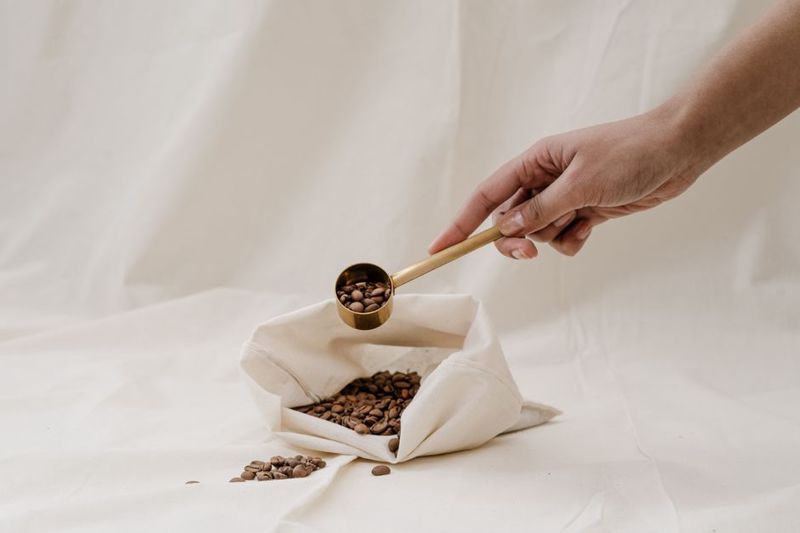
A standard tablespoon holds roughly 5 to 6 grams of ground coffee. Use the same scoop every time and you'll get consistent results even without a scale. The goal isn't precision to the gram, it's repeatability, so you can tell what changed when a cup tastes different.
Work With the Grinder You Have
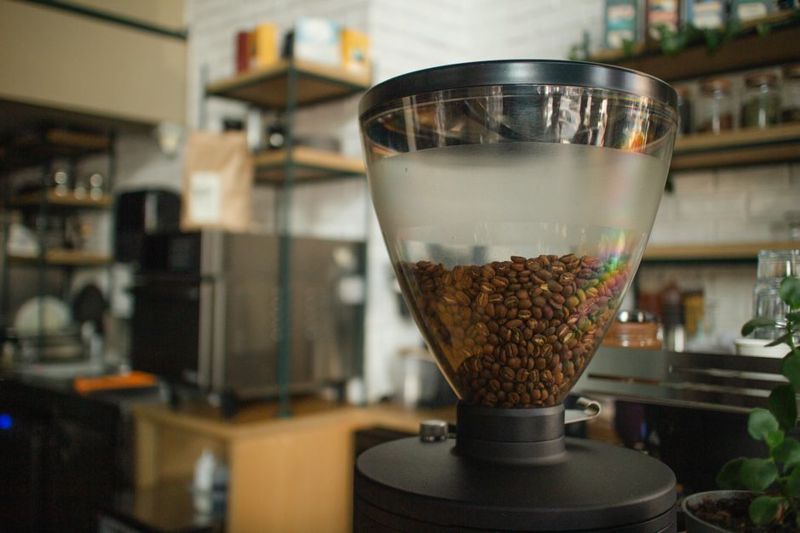
Most home grinders, even basic blade grinders, have more range than people give them credit for. The trick is figuring out where your grinder's "medium" actually lands, because it won't match anyone else's dial.
- Pulse a blade grinder in short bursts and shake the grinder between pulses for more even results
- Burr grinders: start at the manufacturer's suggested drip setting, then adjust from there
- Aim for a texture like coarse sand for drip or pour-over, and coarser (like sea salt) for French press
- Write down your setting once you find one you like, so you're not starting from zero every time
The Two-Cup Test
The fastest way to dial in your setup is to brew the same coffee two ways and taste the difference on purpose.
If it tastes sour or thin
Your grind is likely too coarse, your ratio too weak, or your water wasn't hot enough. Try grinding slightly finer or adding a bit more coffee before changing anything else.
If it tastes bitter or harsh
Your grind is likely too fine, your ratio too strong, or the water sat too long off the boil and over-extracted. Try grinding slightly coarser or using a touch less coffee.
Key Takeaway
Change one variable at a time. If you adjust grind, ratio, and water temperature all in the same brew, you won't know which change made the difference, and you'll be back to guessing tomorrow.
Why This Matters More With Fresh Beans
Here's the part that surprises people: dialing in your grind and ratio matters more, not less, when your coffee is fresh. Beans that were roasted weeks ago and shipped in bulk have already lost a lot of their aromatic complexity, so a slightly-off ratio barely changes anything, there wasn't much flavor left to lose. Coffee we roast in small batches and ship within days still has that complexity, which means the difference between a good ratio and a great one is actually noticeable in the cup.
That's also why we roast in small batches instead of huge runs sitting in a warehouse. It gives the process you're learning in this chapter something worth dialing in.
Want a Head Start?
If you'd rather skip the trial and error, our team can point you toward a roast and grind recommendation suited to your setup and taste. Reach out and tell us what you're brewing with.
Contact UsComing Up in Chapter 3
Next, we'll tackle water: why the temperature and even the tap water itself can make or break a cup, and the simplest ways to get both right without buying a fancy kettle.