
Chapter 1: The Four Things That Actually Change Your Coffee
The Four Things That Actually Change Your Coffee
Welcome to the Better Cup Guide, a short course for home brewers who want a noticeably better cup without buying a single new piece of equipment. You already have what you need. This chapter shows you where to look first.
Most home brewers assume a disappointing cup means it's time to upgrade. A nicer grinder, a gooseneck kettle, a fancier dripper. Here's the part nobody tells you at the coffee shop counter: the gear matters far less than four things you're already controlling, whether you realize it or not. Get these four right with the equipment sitting on your counter right now, and you'll taste a bigger jump than any $200 gadget will give you.
This chapter is your map. Over the rest of the series we'll go deep on each one, but you need the whole picture first so you know what you're actually adjusting when you brew tomorrow morning.
The Four Variables
Freshness
Coffee starts losing its best flavors within weeks of roasting, faster once ground. This is the single biggest lever most people never touch.
Grind Size
Too fine and your coffee turns bitter and harsh. Too coarse and it tastes thin and sour. The right grind depends on your brew method, not your budget.
Water
Coffee is over 98 percent water. Its temperature, and how much of it you use, changes everything about the cup, and it costs nothing to fix.
Ratio
How much coffee you use per cup of water determines strength and balance. Eyeballing it is the number one reason two cups from the same bag taste different.
Why freshness beats new equipment every time
Here's the honest math: a $40 bag of beans that's been sitting on a grocery shelf for four months will taste worse in a $500 setup than a bag roasted last week will taste in the grinder and kettle you already own.
Coffee is a fruit. Once it's roasted, the clock starts. Aromatic oils and gases that carry flavor begin to fade, and once a bag is opened, that clock runs even faster. That's why we roast in small batches here at Riverbend and ship within days of roasting, not weeks. Freshness isn't a marketing line, it's the variable that does the most work with the least effort from you.
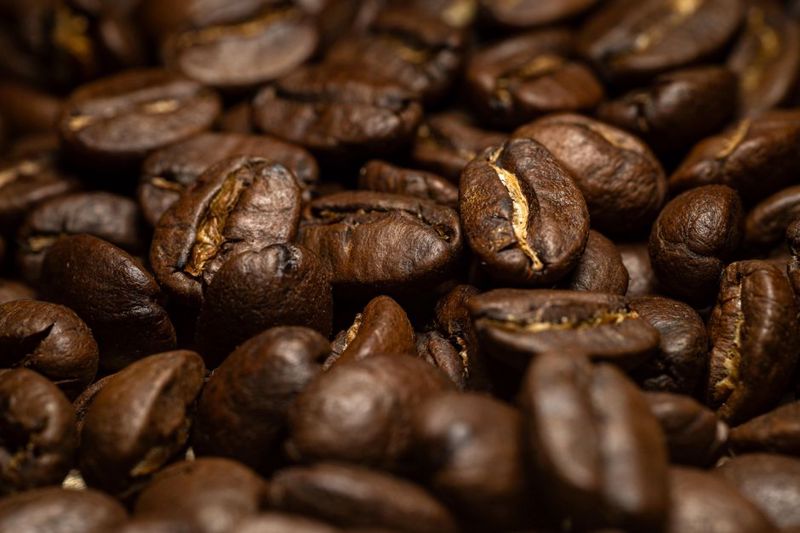
The mistake we see most often
Buying beans in bulk to save money, then storing them for months in a cabinet. A bag that's technically still "good" by the sell-by date can already have lost most of what made it worth drinking in the first place. Buy what you'll drink in two to three weeks, and store the rest airtight, away from light and heat.
Three things you can change before tomorrow's cup
- Check the roast date on your current bag. If you can't find one, that's a sign worth noticing.
- Measure your coffee and water instead of eyeballing it, even with a kitchen scale you already have or a measuring cup and spoon.
- Let boiling water rest for 30 seconds before pouring. Off the boil is close enough for almost any home method.
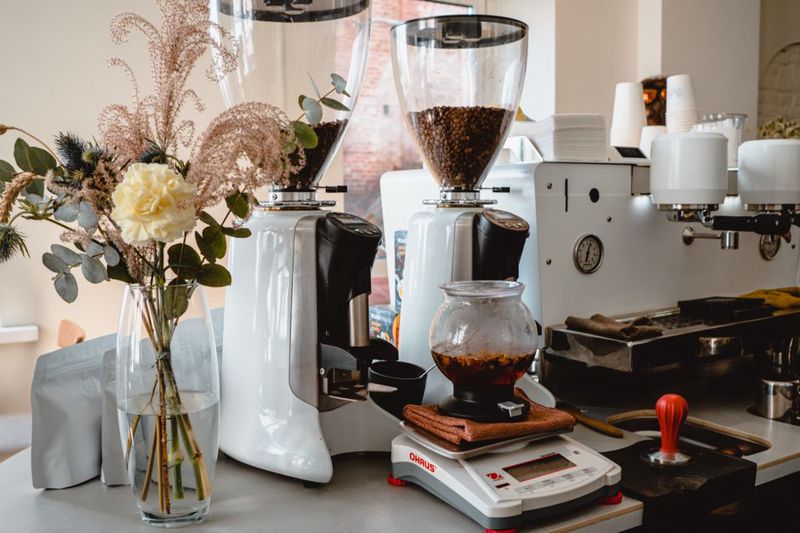
None of this requires a trip to the store. It requires paying attention to four things that were quietly working against you, or for you, every single morning. In the next chapter we go deep on the one that surprises people most: grind size, and why the setting that works for your neighbor's dripper might be wrong for yours.
Key Takeaway
Freshness, grind size, water, and ratio decide how your coffee tastes, not the price tag on your equipment. Fix these four with what you already own before you spend a dollar on anything new.
Want beans roasted for how you actually brew?
Every Riverbend subscription ships within days of roasting, so freshness is never the variable working against you. Tell us your setup and we'll help you dial it in.
Get in TouchNext in the Better Cup Guide
Chapter 2: Grind Size Without a Fancy Grinder, where we cover how to get a consistent, brew-appropriate grind from a basic blade or entry-level burr grinder, and the one adjustment that fixes bitterness for most people.